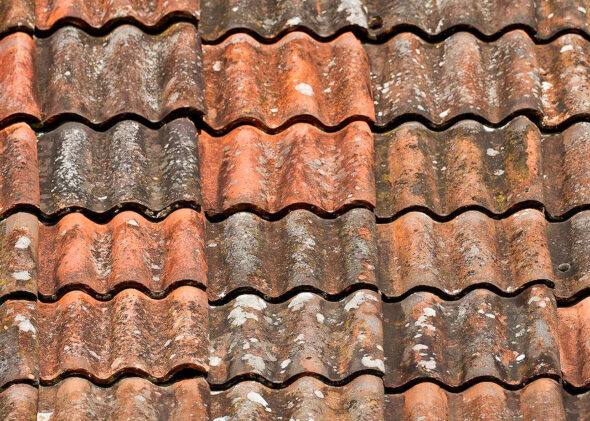
Moss, faded surfaces, and slowly drying tiles often indicate that the protective layer of a tile roof is beginning to weaken. When the surface wears down, the roof absorbs moisture more easily and becomes more quickly exposed to stress from frost, rain, and vegetation.
In this article, we’ll go through when painting a tile roof is worthwhile, how the work is done, and when the roof requires more extensive measures than painting. We’ll also explain why washing alone is generally not recommended without coating.
5 Key Takeaways from the Article
Painting a tile roof is worthwhile when the roof is structurally sound and the tiles are intact.
Washing a tile roof alone is generally not recommended if the roof is not coated after washing, as pressure washing wears down the weakened surface.
Painting a tile roof can extend the roof’s lifespan by approximately 10–20 years, depending on the roof’s initial condition.
Coating a tile roof professionally typically takes a few days, but if done yourself, you should allow considerably more time.
Painting a tile roof with Väriset includes assessing the roof’s condition, washing, vegetation control, edge treatment, primer application, topcoat application, and a final inspection with the customer.
Is Painting a Tile Roof Worth It?
Tile Roof PaintingIt’s worth it if the tiles are intact but the roof surface is worn, faded, or has started absorbing moisture more easily than before. Painting restores the protective surface of a tile roof and improves the roof’s appearance. If the tiles are crumbling, extensively cracking, or the roof structure shows damage, painting alone is no longer sufficient.
Our customers often ask whether tile roof coatingis worthwhile or whether tile roof coating is unnecessary. Coating is not unnecessary when the work is done at the right time and the roof is carefully prepared before painting. Properly executed treatment reduces water absorption, slows vegetation attachment, and can extend the roof’s lifespan by approximately 10–20 years.
How Is a Tile Roof Painted?
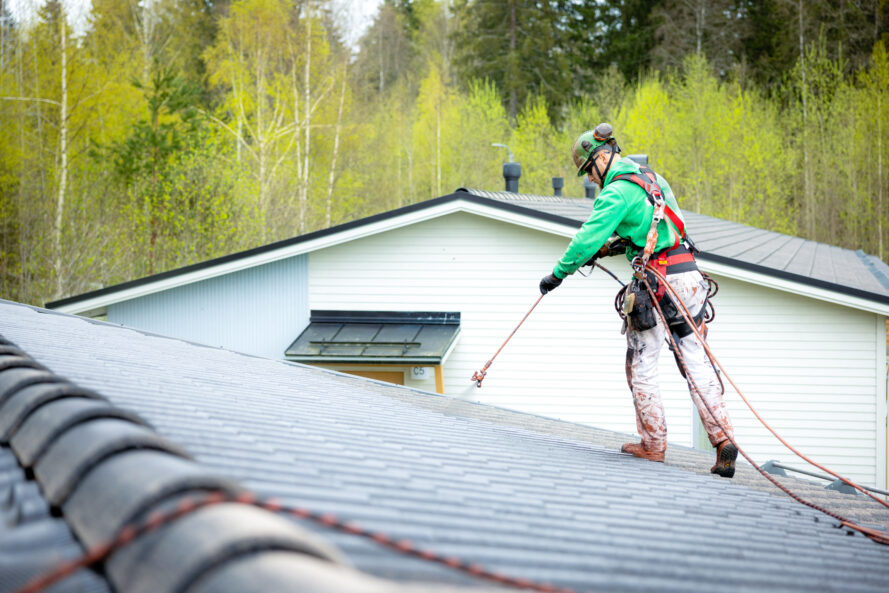
A tile roof is painted in stages, and a successful result always requires careful preparation before the actual painting. The work begins with checking the roof’s condition, as painting is only worthwhile when the tiles are still intact and the surface can withstand the treatment. After that, the roof is cleaned, vegetation is treated, and the surface is prepared so that the paint adheres properly.
Painting a tile roof is not just about applying a new color—each work stage affects the roof’s durability and lifespan. The correct sequence, suitable weather conditions, and careful workmanship determine how well the coating protects the tiles in the years to come. Next, we’ll go through the most important stages of tile roof painting in detail, from washing to final inspection.
1. Washing the Tile Roof with a Pressure Washer
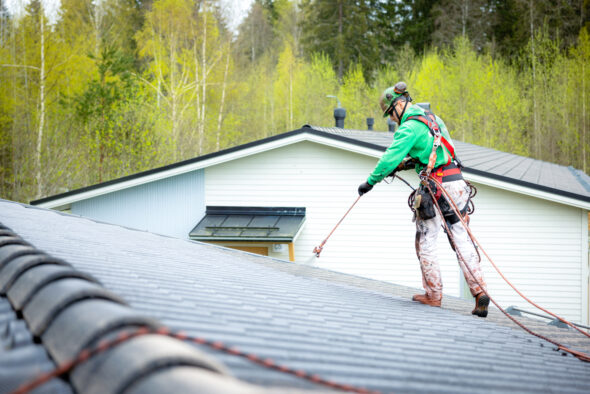
A tile roof is washed with a pressure washer when the old surface requires thorough cleaning and the roof is coated after washing. Pressure washing effectively removes moss, dirt, and weakened surface material, but excessively strong or incorrectly directed washing can unnecessarily wear down the tiles. In our previous article, we explain whether you can pressure wash a tile roof and provide practical tips on when using a pressure washer is worthwhile and how to do the work safely.
2. Applying Vegetation Control Agent to the Roof
Vegetation control agent is applied to the roof after washing to treat moss, algae, and other vegetation residues also in the tile’s pores. The agent is typically left to work overnight, allowing it to penetrate areas that washing alone cannot reach completely. This stage ensures that vegetation does not start growing under the new paint surface.
3. Painting Edges with a Brush or Roller
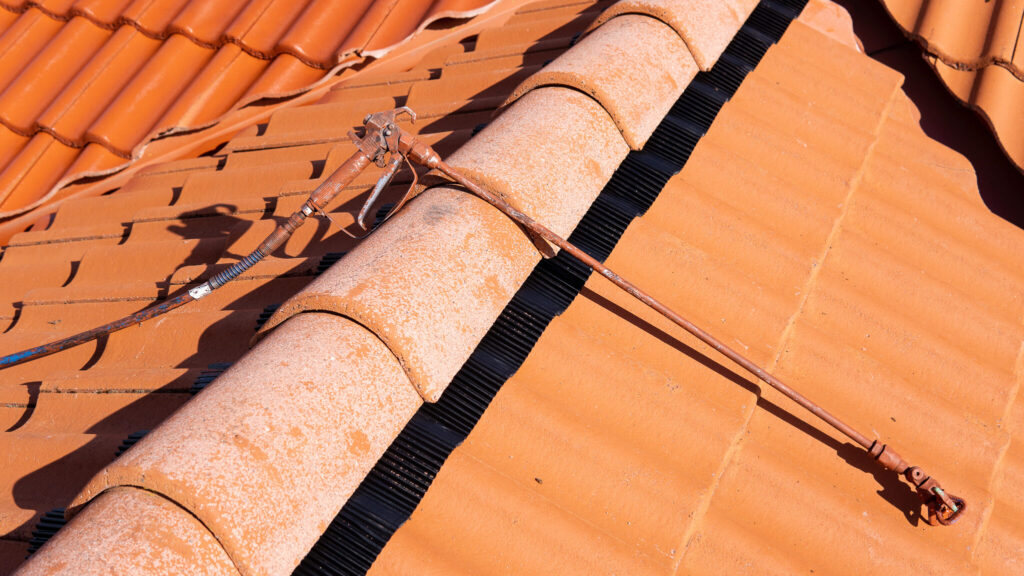
Edges, folds, and details are painted with a brush or roller because a spray gun cannot always reach every spot in a controlled manner. Hand-done work ensures that the roof edges, areas around penetrations, and other precision-requiring areas receive a sufficient paint layer.
4. Primer Application with Thinned Tile Roof Paint
Primer application is done with 10–20% thinned Kilpi Tile Roof Paint so that the paint adheres better to the tile surface. Thinned paint absorbs into worn tiles more effectively than a thick paint layer, creating a good bonding surface for the topcoat.
5. Topcoat Application, Final Cleanup, and Final Inspection
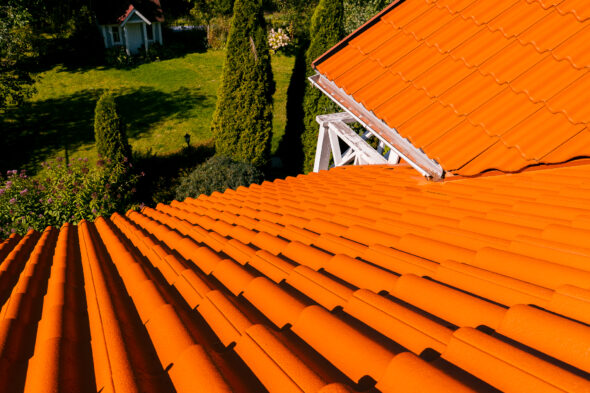
Topcoat application gives the roof its final protection and color. At this stage, the roof is painted with full-strength paint, giving the surface a durable layer against moisture, UV radiation, and vegetation. After the work, messes are cleaned up, the yard is gone through, and a final inspection is conducted together with the customer. The final inspection ensures that the roof looks clean and the work meets the agreed scope.
How Do You Know a Tile Roof Needs Painting?
A tile roofneeds painting when its surface is worn, faded, covered with moss, or has started absorbing water noticeably more than before. The first signs are usually visible in appearance. The roof loses its even color, the tile surface becomes rough, and moss attaches to it more easily. When the tile’s protection weakens, moisture penetrates deeper into the surface and the roof dries more slowly after rain.
If you want to identify the signs more precisely, also check out our previous article, where we go through the most common warning signs of tile roof wear.
When Should a Tile Roof Be Painted?
Painting a tile roofshould be done when the roof is dry, the weather is stable, and the temperature suits the paint manufacturer’s instructions. The best time is usually from spring to early fall, when the roof dries well after washing and the coating can cure undisturbed. Weather that is too cold, humid, or rainy weakens paint adhesion and can ruin the result. At Väriset, painting is not done if relative humidity rises above 80%, as excessively humid air weakens the result.
In terms of roof condition, the best moment comes before serious damage occurs. If the tile is still intact but the surface looks worn, painting can significantly extend the roof’s lifespan. Delaying maintenance too long increases the risk that coating alone will no longer be sufficient.
How Much Does Painting a Tile Roof Cost?
Painting a tile roof typically costs approximately €15–25 per square meter when the contract includes washing and coating. A complete project for a detached house usually ranges from €3,000–7,000. The price varies because each roof requires different amounts of work, materials, and preparation. The roof size only provides a starting point for the price, but the final amount of work becomes clear from the roof’s condition.
The price is affected by factors such as roof steepness, tile porosity, amount of moss, and how many hand-done details the roof has. The roof’s surroundings also affect the work. If there are many trees around the house, the roof typically accumulates more debris and vegetation, which increases the importance of cleaning.
You can take a look at completed projects and prices in more detail here. The best price estimate always comes from a roof inspection, as the same square footage can mean completely different amounts of work for different roofs.
Can You Coat a Tile Roof Yourself?
Painting a tile roofyourself can succeed, but the work requires safe conditions, the right materials, sufficient expertise, and a good understanding of the roof’s condition. Our customers often ask whether you can paint a tile roof yourself. Light maintenance can succeed independently, but actual painting includes many stages where mistakes quickly show in the result.
The biggest risks relate to washing, preparation work, and weather conditions. Excessively hard or incorrectly done pressure washing can wear down tiles, insufficient drying weakens adhesion, and the wrong paint can flake prematurely. Additionally, working on a roof requires safety equipment and confident movement.
Tile roof paint requires good adhesion, water repellency, UV resistance, and flexibility in temperature variations. The paint must withstand rain, frost, sunlight, and vegetation stress accumulating on the roof surface.
At Väriset, we use Kilpi Tile Roof Paint in our work, which is first applied thinned as a primer and then with full-strength paint as a topcoat. Thinned primer improves adhesion because it can absorb into worn tiles better. The topcoat forms the visible and protective layer.
When choosing paint, don’t just focus on color or price. Equally important for the result is that the roof is washed correctly, vegetation is carefully treated, and painting is done in suitable conditions. Good paint does not compensate for poor preparation work.
Which Is Better: Painting a Tile Roof or Tile Roof Renovation?
Comparison Point
Tile Roof Painting
Tile Roof Renovation
Price
€3,000–7,000
€18,000–25,000
When Sensible?
When tiles are still intact
When structures or roofing are damaged
Impact on Lifespan
Extends lifespan by 10–20 years
Lifespan essentially starts from the beginning
Scope of Work
Washing, coating, and painting
Removal of old roof and installation of new
Duration of Work
A few days
Several days or weeks
Cost-Effectiveness
Affordable way to postpone renovation
Necessary solution for structural damage
How Long Does Tile Roof Coating Take?
Tile roof coatingIt typically takes a few days when done by a professional, but if done yourself, you should allow considerably more time. The work doesn’t consist only of painting but includes roof cleaning, vegetation treatment, drying times, primer application, and topcoat application. Weather can also extend the timeline, as the roof should not be painted when wet, in rain, or when it’s too cool.
When done yourself, painting a tile roof can easily take several days or even longer if the roof is large, steep, or covered with moss. Time is also spent on acquiring tools, protection, safe movement, and cleaning up after the work. A professional completes the work faster because the tools, materials, and work sequence are already under control.
Tile Roof Painting with Väriset – What Does the Contract Include?
Tile roof painting with Väriset includes assessing the roof’s condition, washing, vegetation control, edge treatment, primer application, topcoat application, and a final inspection with the customer. Before starting work, we ensure that the roof’s condition is suitable for painting and any necessary maintenance is done before coating.
Tile roofs over 10 years old are washed with a gas-powered pressure washer, after which vegetation control agent is applied to the roof. Edges are painted with a brush or roller, and primer application is done with 10–20% thinned Kilpi Tile Roof Paint. Finally, the roof is topcoated with full-strength paint, work traces are cleaned up, and the finished result is reviewed together.
Wondering whether tile roof coating is worthwhile for your specific roof? Contact Väriset or book a survey, and we’ll check the roof’s condition and tell you which maintenance measure will extend your roof’s lifespan.
Fall in love with your home again – See our services
House Painting
Fall in love with your home again - restore your home's appearance and value
Exterior house painting restores your home's appearance and value. Flawless workmanship is of utmost importance to us. We always ensure that the final result is even and perfectly finished.
Timely roof maintenance extends your roof's lifespan by decades
An intact, maintained, and painted roof is every home's most important protection. Tile roof coating and maintenance services as well as metal roof painting services as turnkey solutions.
Take advantage of the household deduction – up to €4,200 benefit from the work. Try the calculator
The household deduction in 2026 is 40% of the VAT-inclusive portion of the work performed. The deductible is €150. The benefit is €2,100 per person, meaning the maximum deduction for a couple is €4,200 in total
Order a free survey visit to your home. You'll receive an assessment of maintenance needs and a quote for the work. Book a survey or calculate a price estimate with our calculator in just a few minutes.
Ostrobothnia, South Ostrobothnia, Central Finland, Central Ostrobothnia, North Ostrobothnia, Lapland, Kymenlaakso, Päijät-Häme, South Karelia, South Savo, Kainuu