Tile Roof Coating: A Comprehensive Guide to Protecting Your Roof
Väriset
20.04.2026
Tile roof coating helps protect roof tiles from moisture, moss, and weather-induced wear. When the tile surface becomes porous, the roof starts absorbing water and deteriorating faster. Roof painting restores a new protective layer to the worn surface while the tiles are still intact.
In this guide, we explain when a tile roof should be coated, what the work involves, and why careful preparation work affects the durability of the final result.
Lue tiivistelmä
Tile roof coating is worthwhile when the roof tiles are intact but their protective surface has worn away.
Roof painting reduces water absorption into the tile and slows frost deterioration.
Tile roof washing alone doesn’t always suffice if the tile is already porous and absorbs moisture.
Tile roof coating includes washing, vegetation control, primer coating, and finish coating.
You can paint a tile roof yourself, but the work requires safe conditions, proper tools, and careful preparation work.
A professional can assess whether coating is sufficient or whether the roof needs repairs before painting.
Can a Tile Roof Be Painted?
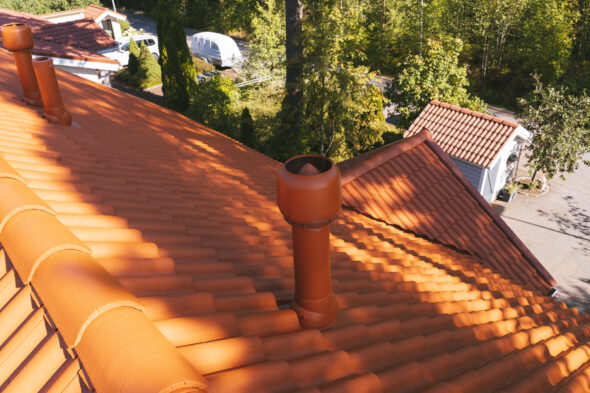
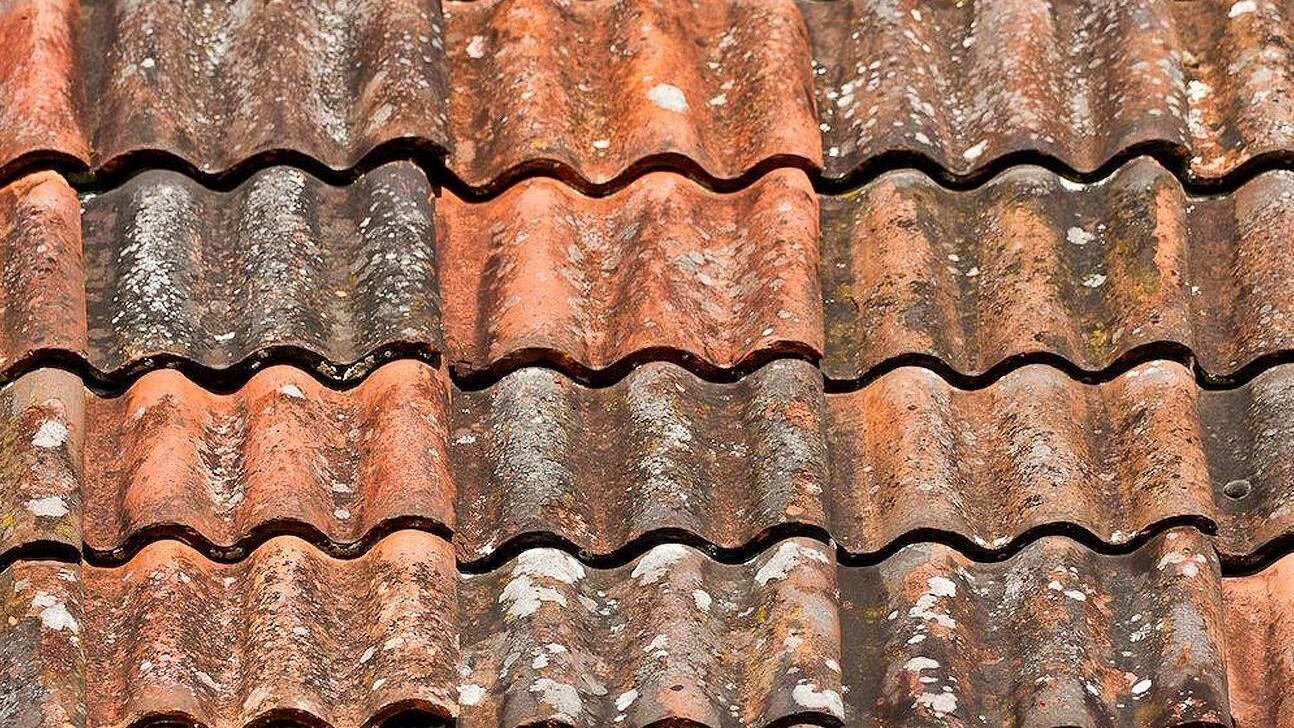
A tile roof can be painted when the tiles remain intact and the roof is structurally sound. Painting seals the porous surface and prevents water absorption, which significantly slows deterioration. The coating forms a protective film that repels vegetation and reduces soiling.
When a tile roof receives two coats of tile roof paint in the right weather conditions, its lifespan often extends by 10–20 years depending on the initial condition. Painting doesn’t make an old tile new, but it stops the wear and postpones the need for a roof renovation far into the future.
Subscribe to the newsletter and win a tile roof maintenance service worth €349
Why Is Tile Roof Coating Important?
Tile roof coating isimportant because tile reacts sensitively to weather and loses its protective surface over the years. Bare tile absorbs water, and repeated freezing and thawing gradually crumble the surface.
Coating seals the tile’s pores and forms a film that repels moisture, dirt, and vegetation. At the same time, the roof retains its color and stays cleaner more easily. When coating is done at the right time and after proper preparation work, a tile roof gains additional years and withstands Finland’s variable weather better.
Coating Effect
What Does It Mean in Practice?
Water absorbs into the tile less
The tile stays drier and withstands weather stress better
Moss adheres more weakly
The roof stays cleaner and dries better after rain
Frost deterioration slows down
Freezing and thawing don’t wear the tile as quickly
The roof color is restored
The house’s overall appearance becomes tidier at the same time
The need for a roof renovation can be postponed
An intact roof gains additional years of use without a major renovation
When Should a Tile Roof Be Painted?
A tile roof should be painted when the tiles are still intact, but the roof’s protective surface has started to wear. We at Väriset encounter the question year after year: is tile roof coating worthwhile. The answer depends primarily on the roof’s condition. If the roof no longer repels moisture as before, the color has faded, and moss adheres to the surface quickly, coating can restore the roof’s protection before more serious damage occurs. Tile roof washing helps remove visible dirt, but a worn surface usually needs a new coating. Tile roof painting becomes timely if:
the roof color has clearly faded
rainwater absorbs into the tile and doesn’t bead on the surface
moss adheres to the roof quickly after washing
the tile surface feels rough and porous
the tiles are still intact and the roof has no extensive leaks
If you want to delve deeper into the subject, you’ll find more detailed answers to the most common questions about tile roof painting in our previous article.
What Does Tile Roof Coating Do for the Roof?
Tile roof coating restores a protective surface to worn roof tiles, reducing moisture absorption and slowing the roof’s deterioration. When tile is porous, it absorbs rain, meltwater, and air moisture more readily than before. The coating forms a new film on top of the tile, helping the roof dry faster and repelling vegetation. At the same time, the roof color becomes more uniform and the entire house’s appearance becomes tidier. Next, we’ll explain in more detail how coating affects water absorption, frost deterioration, and keeping the roof clean.
Coating Reduces Water Absorption
A coated tile roof repels water better than worn and porous roof tile. When rainwater doesn’t absorb into the tile as readily, the roof dries faster and moisture stress decreases. This is especially important in autumn and winter, when moisture, frost, and temperature fluctuations stress the roof surface.
Coating Protects the Tile from Frost Deterioration
Frost deterioration means that water absorbed into the tile freezes, expands, and gradually crumbles the surface. Coating reduces water’s access to the tile’s pores, thereby reducing the stress caused by freezing and thawing. When coating is done in time, the tile maintains its surface stronger for longer.
The Roof Surface Stays Clean More Easily
A new coating makes the roof tile surface smoother and less absorbent. Moss, algae, pollen, and dirt don’t adhere to it as easily as to rough and worn tile.
How Is Tile Roof Coating Done?
Tile roof coating is done in stages so that the new coating adheres properly and withstands weather stress. The work doesn’t begin with paint application, but with checking the roof’s condition and thorough preparation work. If paint is applied to the roof before moss, dirt, and loose material have been removed, the final result won’t last as expected. We at Väriset proceed with coating in a clear order: first the roof’s condition is verified, then the surface is cleaned, and only then is the actual painting done. Next, we’ll go through the work stages one by one.
1. The Roof Condition Is Checked
The roof condition is checked before washing and painting. At the same time, it’s determined whether the tiles are intact and whether coating is the right measure for the roof.
2. Broken Tiles Are Replaced
Broken or clearly cracked tiles are replaced before coating. New paint doesn’t repair a broken tile, so damage must be addressed first.
3. The Roof Is Washed Thoroughly
The roof is washed to remove dirt, moss, and loose old surface from the tile. A clean surface helps the coating adhere evenly.
4. Moss and Vegetation Are Removed
Moss and other vegetation are carefully removed before painting. If vegetation remains on the surface, the coating cannot adhere properly to the tile.
5. Vegetation Control Agent Is Applied to the Roof
Vegetation control agent helps prevent the rapid return of moss and algae. It finalizes the cleaning before painting.
6. Edges and Details Are Painted by Hand
Edges, areas around penetrations, and other precise spots are treated with a brush or roller. In these areas, careful handiwork improves the final result.
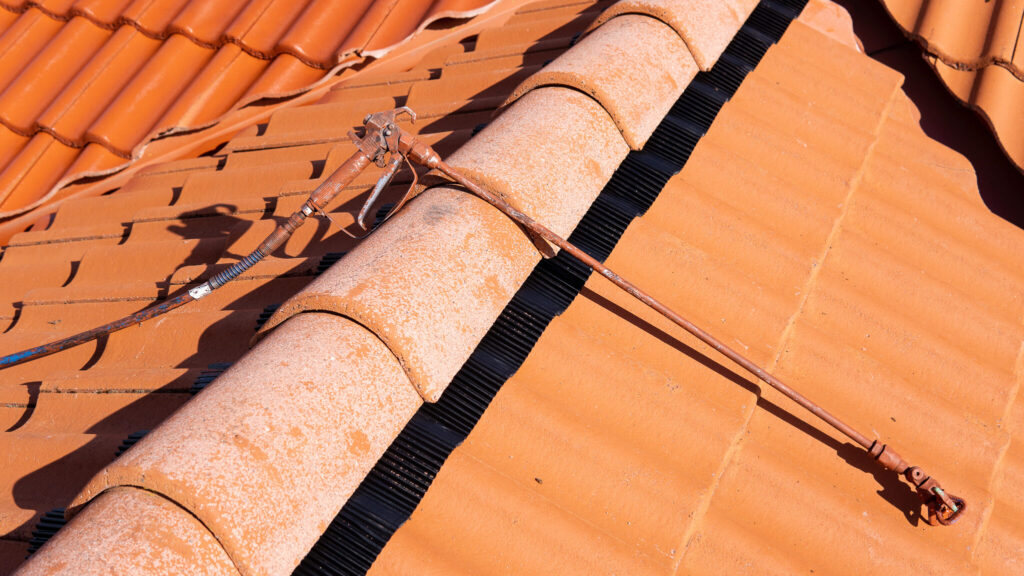
7. The Roof Is Primed with Thinned Tile Roof Paint
The primer is thinned so it absorbs better into porous tile. This stage improves the finish paint’s adhesion.
8. Finish Paint Is Applied to the Entire Roof
Finish paint is applied at full strength to the entire roof. This layer gives the tile its final protection and uniform color.
9. The Final Result Is Checked and the Yard Is Cleaned
After the work, the roof is checked and the yard is cleaned. The final inspection ensures that the surface is tidy and the work has been done as agreed.
Why Doesn’t Tile Roof Washing Always Suffice?
Tile Roof Cleaningdoesn’t always suffice because washing removes dirt and moss but doesn’t restore the worn protective surface. If the tile is already porous and absorbs water, cleaning alone makes the roof tidier but doesn’t improve its water repellency in the same way as coating. Tile roof washing is a good maintenance measure when the roof surface is still in good condition. When the surface has worn, washing functions more as preparation for coating. The table below helps illustrate when washing, maintenance, coating, or roof renovation is the right measure.
Service
What Does It Do?
When Does It Suffice?
Tile Roof Cleaning
Removes dirt, moss, and vegetation
When the roof surface is otherwise in good condition
Tile Roof Maintenance
Includes inspections and minor repairs
When the roof has individual maintenance needs
Tile roof coating
Restores the tile’s protective surface
When the tile absorbs water or the surface has worn
A tile roof is coated with paint or coating suitable for tile roofs that adheres to porous tile and withstands variable weather conditions. At Väriset, we use products on tile roofs that are designed specifically for treating roof tiles. On Tikkurila’s page, they write in more detail about the Kilpi tile roof paint we use:
“Kilpi Tile Roof Paint protects the roofing material from environmental stress, ensuring excellent color retention and extending its service life. “
The right product is important, but equally important is that the surface is washed, dries properly, and is primed before the actual finish coat.
When Does a Tile Roof Need to Be Replaced?
A tile roof needs to be replaced when problems are no longer limited to the surface alone, and painting or coating cannot restore the roof’s functionality. A sign of this is often visible in the tiles’ condition: if tiles crumble, crack, or soften so that they fall apart in your hands, coating alone will no longer strengthen the structure.
Extensive water leaks, wet underlayment, or clearly sagging structures also indicate a situation where surface treatment will not achieve a lasting result. If the roof has many broken tiles or moisture has penetrated the structures, partial or complete replacement is the only way to restore the roof’s reliability and long lifespan.
Can You Paint a Tile Roof Yourself?
You can paint a tile roof yourself if the roof is safely accessible and you have the right tools, time, and expertise. However, the work requires much more than applying tile roof paint. The roof must be washed thoroughly, moss removed, vegetation control applied, and the surface allowed to dry before painting. Additionally, porous tile needs a thinned primer before the finish coat.
Doing it yourself can be tempting, but a steep roof, fragile tile, and inadequate preparation work quickly weaken the final result. If you want the coating to last for years, every stage of the work must be done carefully.
Why Is It Worth Ordering Tile Roof Coating from a Professional?
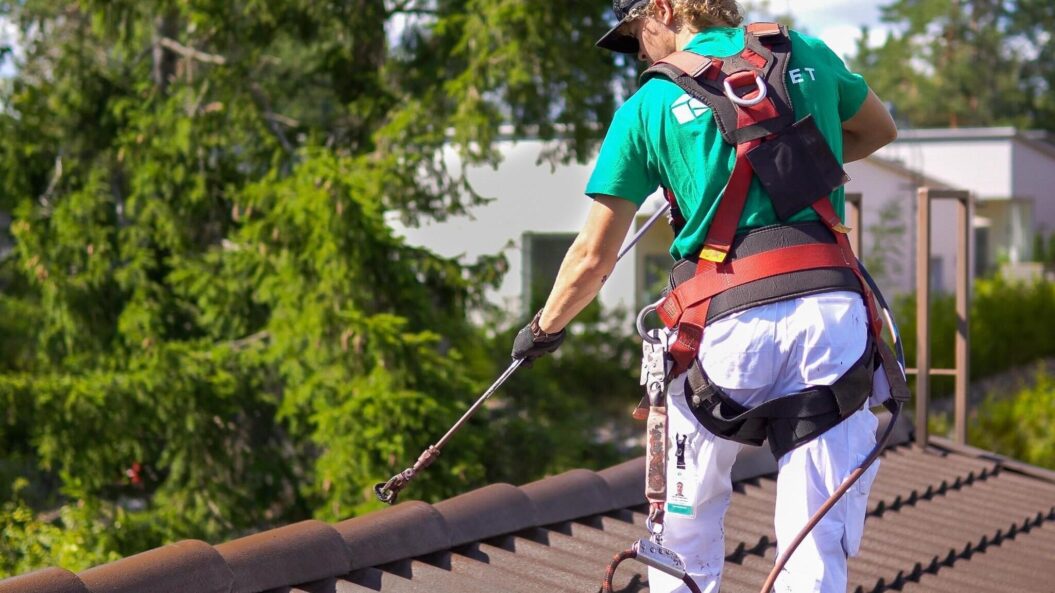
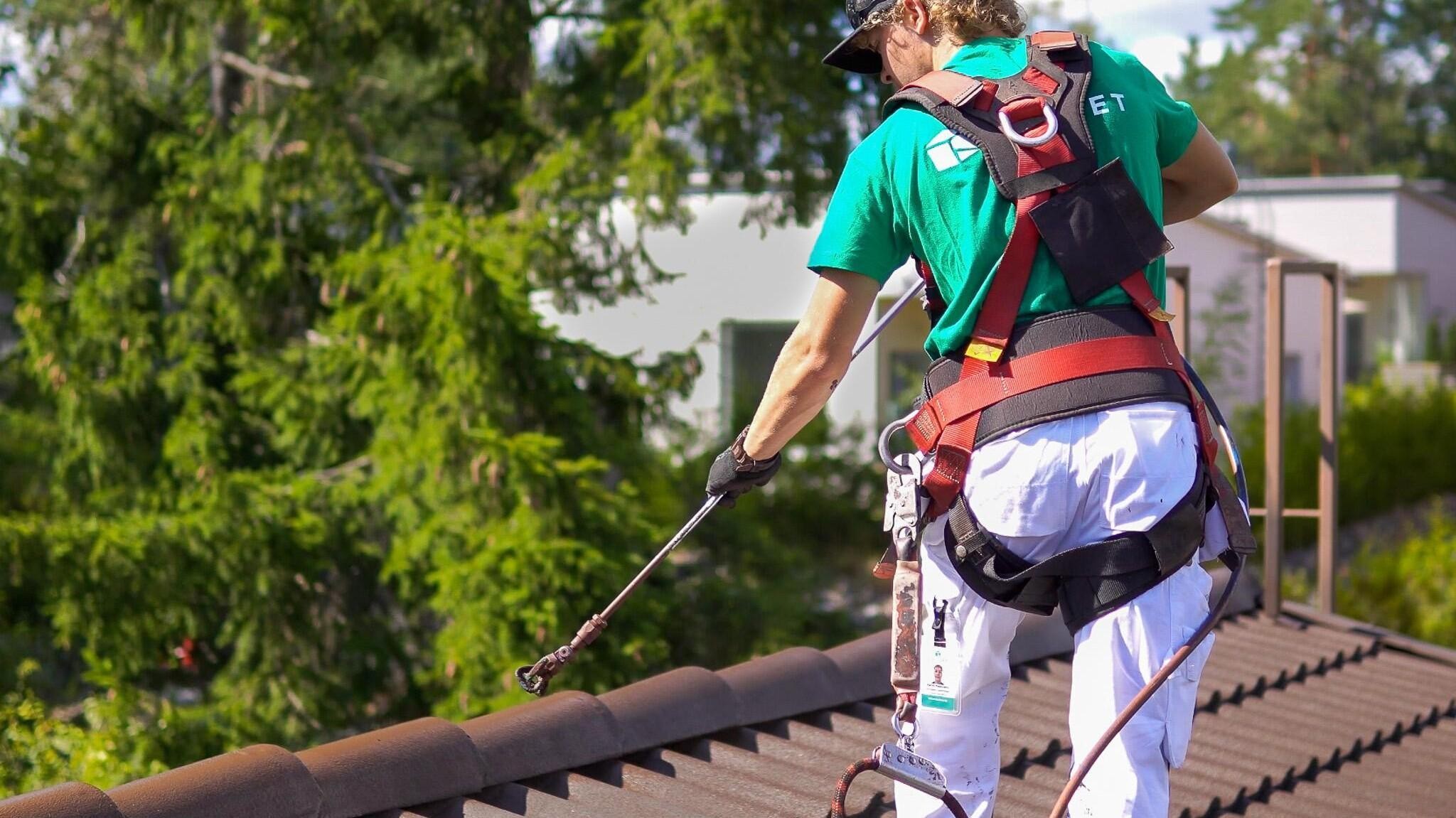
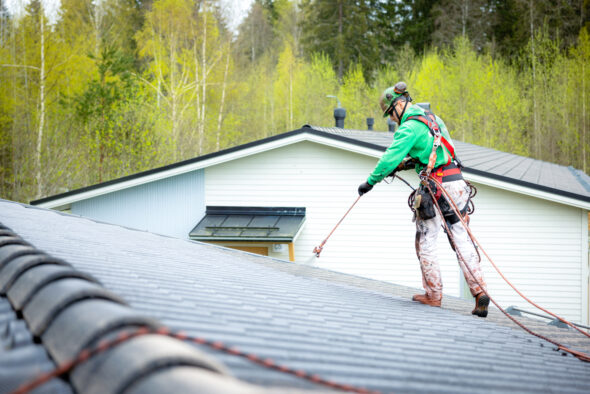
Tile roof coating is worth ordering from a professional when you want to ensure the roof’s condition, work safety, and coating durability.A professional recognizes when a tile roof can be painted and when the roof needs repairs first. Working on a roof requires the right tools, safe working methods, and experience in how tile surfaces behave during washing and painting. We at Väriset check the roof before starting work, perform washing and preparation work carefully, and coat the roof in the right conditions. For the customer, the work appears as a finished and tidy final result, but behind it is a precise work sequence.
If you’re wondering whether your own tile roof should be coated, request a free assessment visit from us. We’ll look at the roof on-site and tell you which measure will serve the roof best.
Fall in love with your home again – See our services
House Painting
Fall in love with your home again - restore your home's appearance and value
Exterior house painting restores your home's appearance and value. Flawless workmanship is of utmost importance to us. We always ensure that the final result is even and perfectly finished.
Timely roof maintenance extends your roof's lifespan by decades
An intact, maintained, and painted roof is every home's most important protection. Tile roof coating and maintenance services as well as metal roof painting services as turnkey solutions.
Take advantage of the household deduction – up to €4,200 benefit from the work. Try the calculator
The household deduction in 2026 is 40% of the VAT-inclusive portion of the work performed. The deductible is €150. The benefit is €2,100 per person, meaning the maximum deduction for a couple is €4,200 in total
Order a free survey visit to your home. You'll receive an assessment of maintenance needs and a quote for the work. Book a survey or calculate a price estimate with our calculator in just a few minutes.
Ostrobothnia, South Ostrobothnia, Central Finland, Central Ostrobothnia, North Ostrobothnia, Lapland, Kymenlaakso, Päijät-Häme, South Karelia, South Savo, Kainuu