Tile Roof Maintenance – When Should a Tile Roof Be Maintained?
Väriset
18.05.2026
Autumn rains, spring meltwater, and winter frosts make the tile roof the home’s most diligent protector. Tile can withstand a lot, but it won’t stay in good condition without regular maintenance. Moss, leaves, and clogged gutters keep the roof damp and shorten its lifespan unnoticed.
In this article, we’ll explain when tile roof maintenance should be done, what maintenance includes, and when a roof needs just cleaning, repair, or a more thorough assessment.
Key Takeaways from the Article
A tile roof should be maintained when moss, dirt, cracked tiles, or signs that water isn’t draining properly from the roof are visible.
Tile roof maintenance typically includes checking the roof’s condition, removing vegetation and debris, repairing broken tiles, cleaning gutters, and assessing the need for coating.
Regular maintenance keeps the roof drier, gutters open, and damage under control.
A tile roof should be washed or cleaned approximately every 3–6 years, but the right maintenance interval depends on the roof’s environment.
Order tile roof maintenance from Väriset when you want roof maintenance done with the right work steps and respect for the roof surface.
When Should a Tile Roof Be Maintained?
A tile roof should be maintained when moss, dirt, cracked tiles, or signs that water isn’t draining properly from the roof are visible. Often the need for maintenance is visible from the ground: greenish moss, darkened areas, piles of leaves, and sagging gutters indicate that the roof needs a closer look.
Maintenance shouldn’t be postponed until water finds its way into the structures. A tile roof lasts a long time when it can dry after rain and damaged areas are repaired in time. After spring, it’s worth checking for winter damage, as frost, snow, and ice can break individual tiles or shift penetrations. Summer is suitable for cleaning, and in autumn it’s worth ensuring that gutters and water drainage routes stay open before rains and frosts.
What Does Tile Roof Maintenance Include?
Tile roof maintenance typically includes checking the roof’s condition, removing vegetation and debris, repairing broken tiles, cleaning gutters, and assessing the need for coating. The main goal of maintenance is to keep the roof dry, intact, and functional so that water can drain through the proper routes and moisture doesn’t stress the tile surface. Next, we’ll go through the most important stages of maintenance in more detail and how they affect the tile roof’s durability.
1. Checking the Roof’s Condition
Checking the roof’s condition reveals whether light maintenance is sufficient or if tile roof repair or coating assessment is needed. The inspection covers the tile surface, cracks, shifted tiles, penetrations, ridges, valleys, and other areas where water can easily accumulate. At the same time, you can see whether moss has spread widely or if vegetation is still contained. A Väriset professional can also determine whether light maintenance is sufficient or if the tile roof needs repair.
2. Removing Moss and Debris
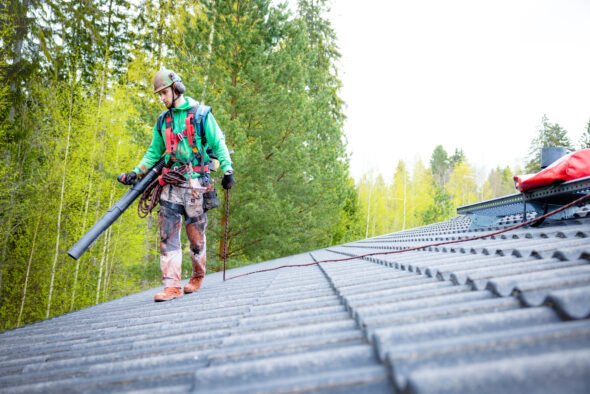
Removing moss and debris is one of the most important stages of tile roof maintenance because vegetation binds moisture to the tile surface. When moss remains on the roof for a long time, the tile dries more slowly and deterioration accelerates. At Väriset, moss is removed mechanically with a plastic scraper so the tile surface isn’t unnecessarily damaged.
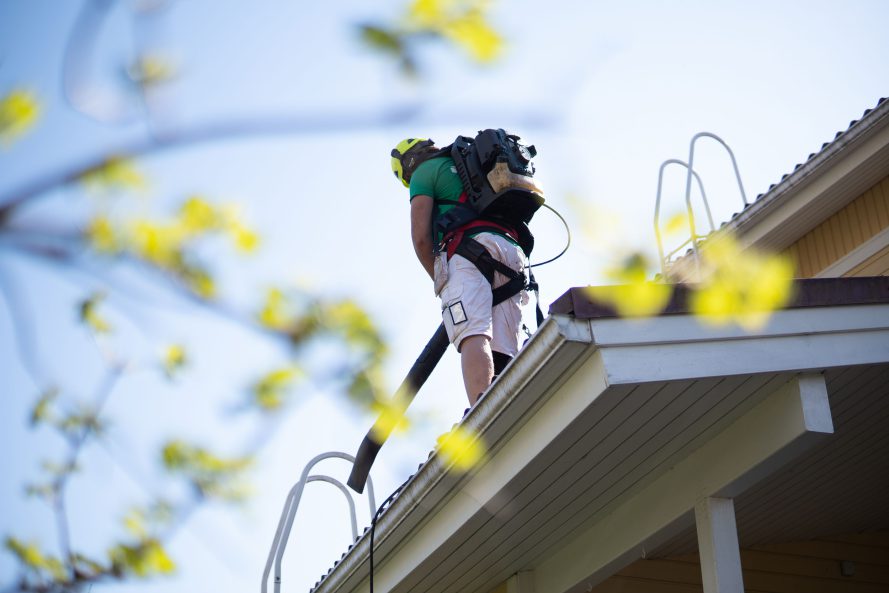
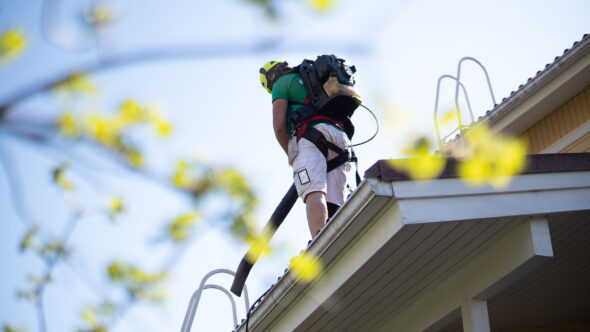
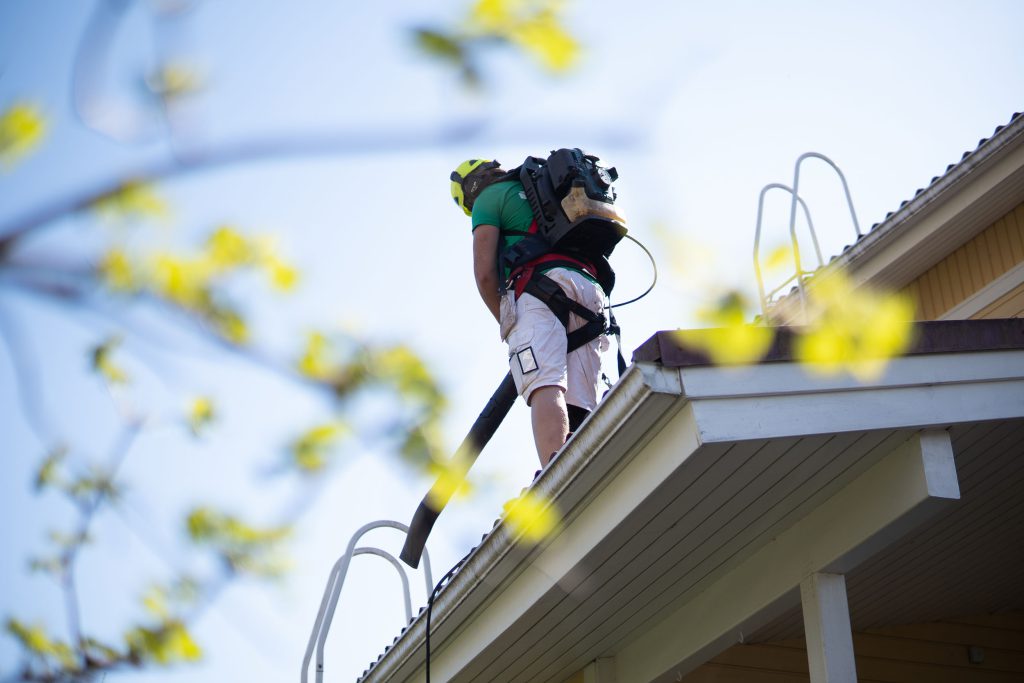
Leaves, needles, and loose debris are blown off the roof at the same time. Finally, a vegetation control agent is applied to the roof to slow the return of moss and lichen. When done regularly, cleaning can add 3–6 years to the roof’s lifespan.
3. Repairing Tiles and Penetrations
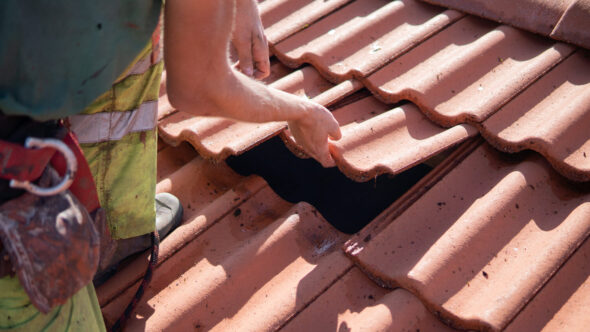
Repairing tiles and penetrations prevents small damage from turning into leaks. A cracked tile can let water onto the underlayment, and a loose penetration increases risk especially during heavy rain. During maintenance, broken tiles are replaced and the condition of penetrations is checked. Small repairs should be done immediately because water wears down structures quickly in the wrong place. If you need tips on replacing roof tiles, you’ll find clear instructions in our previous article.
4. Cleaning Gutters
Cleaning gutters ensures that rainwater drains from the roof in a controlled manner and doesn’t overflow onto eaves or wall structures. Leaves, moss, needles, and other debris easily clog gutters, especially in autumn. When gutters fill up, water can flow from the wrong places and repeatedly wet structures. During mechanical cleaning, we also empty the gutters so water can flow unobstructed off the roof.
5. Assessing the Need for Coating
Assessing the need for coating reveals whether a tile roof needs just cleaning or a new protective surface. If the tile absorbs water, the color has faded, and the surface feels rough, just removing moss may not be enough for long. Cleaning extends the coating interval when done regularly every 3–6 years. If the tile surface is already clearly porous, coating restores water repellency and gives the roof additional years of use. At Väriset, we carefully assess the roof’s condition before coating so painting is done at the right time.
Why Should Tile Roof Maintenance Be Done Regularly?
Tile roofmaintenance should be done regularly because small and timely maintenance often prevents an expensive roof renovation. Tile withstands weather well, but it won’t survive from decade to decade without cleaning, inspections, and small repairs. Moss, leaves, and dirt keep moisture on the tile surface, and Finnish frosts do the rest. When water freezes inside porous tile, the surface begins to deteriorate piece by piece.
Regular maintenance keeps the roof drier, gutters open, and damage under control. Tile roof lifespan can be extended considerably when maintenance is done before the roof starts to look clearly worn. In our previous article, you’ll find practical tips on how tile roof age can be extended with proper maintenance and timely measures. You can also read more about this in our article on tile roof lifespan.
How Often Should a Tile Roof Be Washed?
A tile roof should be washed or cleaned approximately every 3–6 years, but the right maintenance interval depends on the roof’s environment. Trees, shade, north-facing slopes, and damp locations increase moss growth. In an open and sunny location, the roof dries faster, so vegetation usually doesn’t progress as quickly.
Väriset’s mechanical cleaning is suitable as a maintenance measure in situations where there is moss on the roof but coating isn’t yet needed. During cleaning, moss is removed, debris is blown away, gutters are emptied, and a vegetation control agent is applied to the roof. When this is done regularly every 3–6 years, the coating interval can be extended significantly and the roof surface stays drier after rains.
How Should a Tile Roof Be Maintained Annually?
Season
What Should Be Done on the Roof?
Why Is It Worth It?
Spring
Check for winter damage
Frost, snow, and ice can break tiles or reveal weak spots.
Summer
Remove dirt and vegetation
Dry and warm weather is well suited for roof cleaning and maintenance.
Autumn
Open gutters and water drainage routes
Leaves and debris easily clog gutters before rains and winter.
Before Winter
Repair broken tiles
An intact tile roof withstands frost better and protects structures from moisture.
Read detailed tips on tile roof autumn maintenance in our previous article.
Should Moss Be Removed from a Tile Roof?
Moss should be removed from a tile roof because it binds moisture and accelerates tile deterioration. Moss growing on the roof acts like a wet blanket: it keeps the tile surface damp long after rain and slows drying. This stresses the tile especially in autumn and winter when temperature fluctuates between plus and minus. The longer moss is allowed to grow, the more firmly it attaches to the rough tile surface.
Our customers often ask why moss grows on the roof. Moss thrives especially on shaded and damp slopes, near trees, and on roofs whose surface is already somewhat worn. That’s why the amount of moss often also indicates that the roof isn’t drying in the best possible way.
What Should Tile Roof Cleaning Be Done With?
Tile roof cleaning should be done with tools that remove moss and debris without damaging the tile surface. In light maintenance, cleaning a tile roof with a brush may be sufficient for removing loose dirt, but more firmly attached moss usually requires mechanical scraping. At Väriset, moss is removed with a plastic scraper because it treats the tile surface more gently than sharp or overly hard tools.
Tile roof cleaning agent or vegetation control agent comes into play when you want to slow the renewal of moss and lichen. Just removing visible vegetation isn’t always enough because spores and root systems can remain on the surface. After mechanical cleaning, the roof is blown clean, gutters are emptied, and the agent is applied to the roof. Pressure washers should be used on tile roofs with caution because overly powerful washing can wear the surface. If the roof is pressure washed, the need for coating should be carefully assessed.
Can You Maintain a Tile Roof Yourself?
You can maintain a tile roof yourself for light tasks if the roof can be accessed safely and the work is done with the right tools. From the ground, you can observe moss, gutter blockages, and visible broken tiles. Emptying gutters and small debris removal are manageable for many when the weather is dry and access equipment is in order. Washing a tile roof yourself requires more consideration, however, because wet moss makes the roof slippery and tiles can break underfoot.
A professional should be called in when the roof is steep, high, heavily moss-covered, or the condition of the tiles is questionable. The wrong tool, overly rough handling, or an unnoticed crack can cause more harm than good.
How Much Does a New Tile Roof Cost Compared to Maintenance?
A new tile roof costs significantly more than maintenance because replacement involves removing the old covering, checking structures, and installing a new complete roof system. Our customers often ask how much a new tile roof costs. For a detached house, the price often rises to tens of thousands of euros, while tile roof maintenance cost is usually considerably less depending on the scope of work.
Maintenance is worthwhile when the tiles are still mostly intact and problems relate to moss, debris, gutters, or individual broken tiles. Replacement becomes relevant if tiles are deteriorating extensively, the underlayment fails, or the roof leaks repeatedly. That’s why assessing the roof’s condition should be done before a renovation decision is made. Timely cleaning and tile roof repair can postpone a major renovation for years.
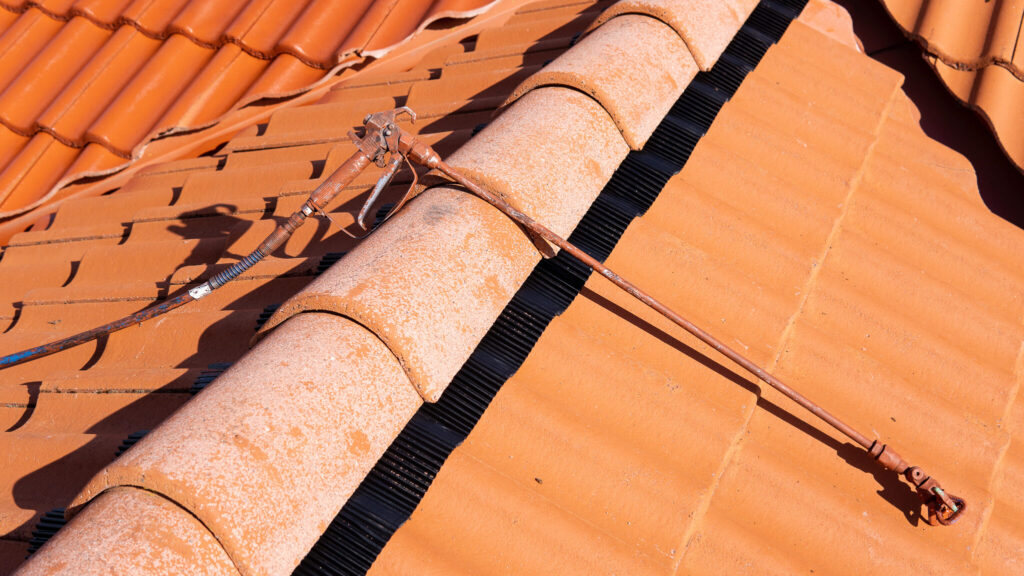
Order tile roof maintenance from Väriset when you want roof maintenance done with the right work steps and respect for the roof surface. At Väriset, we have completed over 10,000 projects throughout Finland, and in tile roof maintenance we follow a clear process. Moss is scraped off with a plastic scraper, debris is blown off the roof, gutters are emptied, the yard is tidied, and finally a vegetation control agent is applied to the roof.
Mechanical cleaning is especially well suited for April, September, and October, when painting may no longer be possible but the roof still needs maintenance. Cleaning can add approximately 3–6 years to a tile roof’s lifespan, and when done regularly it significantly extends the coating interval. If you don’t know whether your roof needs cleaning, repair, or coating assessment, contact us. We’ll come for a free assessment visit and tell you what should be done for the roof.
Fall in love with your home again – See our services
House Painting
Fall in love with your home again - restore your home's appearance and value
Exterior house painting restores your home's appearance and value. Flawless workmanship is of utmost importance to us. We always ensure that the final result is even and perfectly finished.
Timely roof maintenance extends your roof's lifespan by decades
An intact, maintained, and painted roof is every home's most important protection. Tile roof coating and maintenance services as well as metal roof painting services as turnkey solutions.
Take advantage of the household deduction – up to €4,200 benefit from the work. Try the calculator
The household deduction in 2026 is 40% of the VAT-inclusive portion of the work performed. The deductible is €150. The benefit is €2,100 per person, meaning the maximum deduction for a couple is €4,200 in total
Order a free survey visit to your home. You'll receive an assessment of maintenance needs and a quote for the work. Book a survey or calculate a price estimate with our calculator in just a few minutes.
Ostrobothnia, South Ostrobothnia, Central Finland, Central Ostrobothnia, North Ostrobothnia, Lapland, Kymenlaakso, Päijät-Häme, South Karelia, South Savo, Kainuu